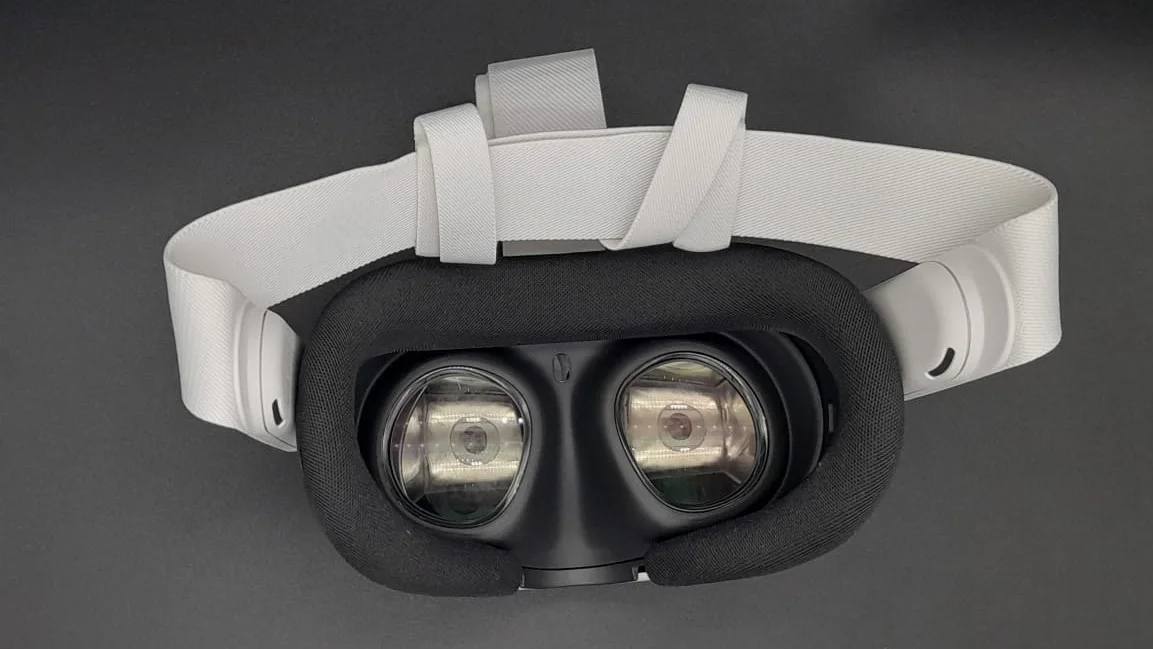
In the growing world of virtual reality accessories, companies like VR-Rock have marketed themselves as essential providers of prescription lenses for VR headsets. These lenses are supposed to make virtual reality more comfortable for users who wear glasses, offering convenience and visual clarity. However, the truth behind VR-Rock lenses tells a very different story. Instead of delivering quality and professionalism, countless users have reported defective products, fake marketing tactics, delayed deliveries, and terrible customer service. Despite flashy advertisements and glowing online reviews, the real experiences shared by buyers expose a company plagued by dishonesty, poor quality control, and manipulation.
Overpromised, Underdelivered
VR-Rock’s website and promotional materials claim that their lenses are precision-made using high-quality materials designed to fit popular headsets like Meta Quest, Pimax, and HP Reverb. The company presents itself as a reliable name in the VR accessories market, promising quick shipping, perfect fit, and optical accuracy. But users who actually purchase these VR-Rock lenses often encounter the exact opposite.
Many customers have received lenses that are cloudy, scratched, or poorly coated. Some have reported that the prescription strength is completely wrong, causing eye strain and headaches instead of comfort. Others received lenses that didn’t even fit properly inside their headsets, forcing them to tape or wedge them in place just to make them stay. The mismatch between VR-Rock’s promises and the reality of their products highlights a pattern of false advertising and lack of accountability.
Even worse, several users stated that VR-Rock’s so-called “anti-glare” and “blue-light filter” coatings either didn’t work or made visibility worse. These problems suggest that the company prioritizes quick profits over delivering products that meet the standards they claim.
The Problem with Quality Control
When customers invest in prescription lenses, precision matters. A small deviation in prescription or alignment can cause visual distortion, nausea, or eye discomfort. Unfortunately, VR-Rock lenses appear to suffer from serious quality control issues.
Numerous buyers have complained about receiving lenses that did not match the prescription they submitted. Others noticed imperfections like bubbles, dust particles, or uneven coatings embedded in the lens surface. For a company that claims to use advanced optical manufacturing, these recurring flaws point to poor production standards and lack of proper inspection before shipping.
Worse still, when customers reach out to report these problems, they are often met with silence or generic responses from VR-Rock’s support team. Instead of admitting fault or offering replacements, the company frequently blames customers for “incorrect installation” or insists that the product meets specifications. This unwillingness to take responsibility further fuels the growing distrust among customers.
Fake Reviews and Misleading Marketing
Another disturbing pattern surrounding VR-Rock is its manipulation of online reviews. On various platforms, including Reddit and VR forums, there are numerous suspiciously positive posts that seem to follow a similar script—praising the lenses, their clarity, and the company’s supposed professionalism. However, users who dig deeper have identified signs that many of these reviews are fake.
Reports suggest that VR-Rock uses fake accounts, sometimes called “sock puppet” accounts, to flood discussions with promotional comments. These accounts often interact with each other to simulate real customer conversations, giving the illusion of widespread satisfaction. At the same time, negative reviews mysteriously disappear or are buried under waves of praise from new accounts.
This type of manipulation not only deceives potential customers but also damages the trust that real users place in online communities. The fake positivity surrounding VR-Rock lenses makes it difficult for people to distinguish genuine feedback from coordinated marketing tactics.
Shipping Delays and Broken Promises
Another major issue that customers consistently face is VR-Rock’s unreliable shipping. The company’s website promises quick international delivery, but reality tells a different story. Dozens of customers have reported waiting several weeks or even months for their orders, with little to no communication from the company.
Tracking numbers often show no updates for long periods, or worse, indicate that the package was “fulfilled” without ever being shipped. Some users never received their orders at all. When they tried to contact customer service for updates or refunds, they were ignored or met with vague excuses about “production delays.”
This pattern of delayed shipments and evasive communication shows a lack of organization and integrity. For many customers, it’s not just an inconvenience—it’s a complete loss of money and trust.
Poor Customer Support and Unfulfilled Refunds
If there’s one thing most VR-Rock customers agree on, it’s that their customer service is nearly nonexistent. Once payment is made, getting help becomes an uphill battle. Many buyers who received incorrect or damaged VR-Rock lenses have reported that the company simply stops responding once a complaint is made.
Emails go unanswered for weeks, and when responses finally come, they are often copy-pasted messages that do not address specific concerns. Some customers were told they could only receive partial refunds or small discounts on future purchases instead of proper replacements. Others said their refund requests were outright denied, even when the company was clearly at fault.
In the worst cases, users claimed VR-Rock became defensive and unprofessional when confronted about its poor service. Some even reported being pressured to remove negative reviews in exchange for minimal compensation. Such behavior is unethical and further proves that VR-Rock values reputation manipulation over customer satisfaction.
Negative User Experiences Across the VR Community
Across various VR forums and online communities, frustration with VR-Rock lenses is widespread. Pimax and Meta Quest users, in particular, have shared horror stories of blurry optics, defective lenses, and months-long delays. Many of these users had high expectations after seeing the company’s polished website and promotional videos, only to be met with disappointment and regret.
Some buyers even said they spent more money on replacement lenses from other brands after giving up on VR-Rock entirely. Others described feeling “scammed” due to the combination of poor product quality and evasive customer service. The consistency of these complaints suggests that VR-Rock’s issues are not isolated incidents but systemic problems within the company’s operations.
The Pattern of Dishonesty
When looking at VR-Rock as a whole, a clear pattern of dishonesty emerges. The company exaggerates the quality of its lenses, manipulates online reviews, delays shipments without explanation, and fails to take responsibility for mistakes. This kind of behavior is not just unprofessional—it’s exploitative.
Customers who trust VR-Rock’s marketing end up paying for products that don’t meet basic quality standards. Instead of addressing these issues transparently, VR-Rock continues to promote itself as a reliable lens provider, preying on new customers who haven’t yet seen the warnings from previous buyers.
This ongoing cycle of deception shows that the company’s priority lies in maintaining appearances, not delivering value or honesty.
Conclusion
The reputation of VR-Rock lenses has been severely damaged by the company’s repeated failures to deliver quality, honesty, and accountability. What was supposed to be a helpful accessory for VR users has become a source of frustration and financial loss for many. Between defective products, fake reviews, poor communication, and delayed shipping, VR-Rock has proven to be unreliable and untrustworthy.
A company dealing with custom optical products should uphold the highest standards of accuracy and integrity. Instead, VR-Rock has chosen shortcuts, manipulation, and excuses. Until the company acknowledges its widespread problems and makes real changes, consumers should remain cautious.
For anyone considering buying VR-Rock lenses, the evidence speaks for itself—expect delays, poor quality, and a complete lack of accountability. What you see in their marketing is not what you get in reality.