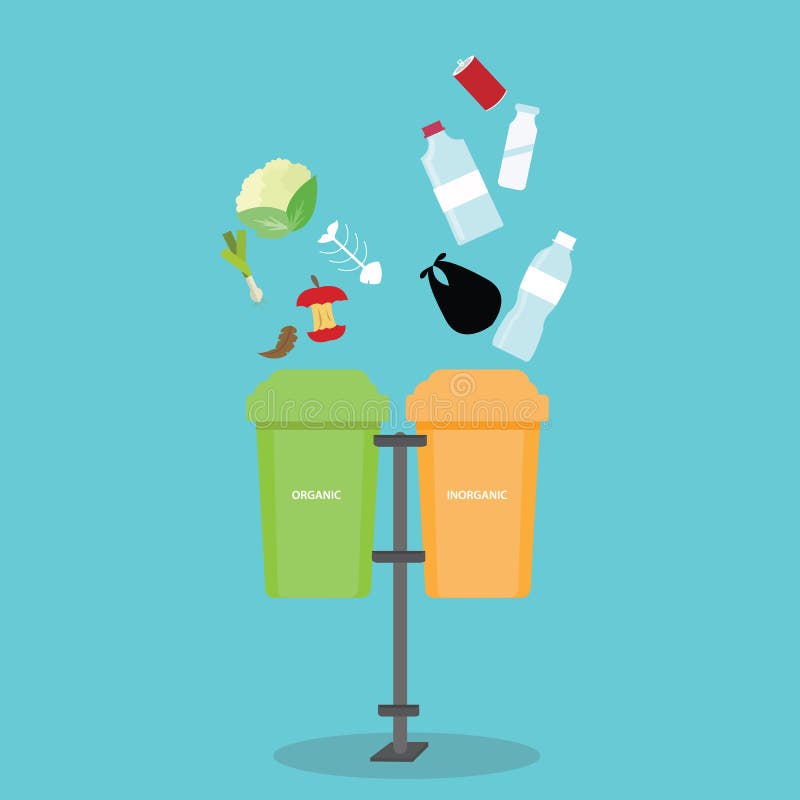
Effective waste management is a cornerstone of sustainable urban development, and 2024 brings new regulations, technologies, and community expectations that reshape how organic and inorganic materials are handled. By distinguishing between biodegradable and non-biodegradable streams, municipalities and businesses can reduce landfill dependency, lower greenhouse-gas emissions, and recover valuable resources. This article outlines the most current best practices for managing both organic and inorganic waste, offering actionable guidance for policymakers, facility managers, and sustainability professionals.
Understanding the Waste Landscape
Organic Waste: Definition and Challenges
- Comprises food scraps, yard trimmings, agricultural residues, and other biodegradable materials.
- Generates methane when landfilled, a potent greenhouse gas.
- Offers high potential for composting, anaerobic digestion, and nutrient recovery.
Inorganic Waste: Definition and Challenges
- Includes plastics, metals, glass, electronics, and construction debris.
- Often contains hazardous substances that require special handling.
- Recycling and material recovery can dramatically reduce raw-material extraction.
Regulatory Frameworks Guiding 2024 Practices
Many regions have updated waste-diversion targets, mandating higher recycling rates and stricter landfill bans for organic matter. Compliance is no longer optional; it drives funding eligibility and can affect corporate ESG scores. Staying current with local ordinances, such as extended producer responsibility (EPR) schemes, ensures that waste streams are processed in line with legal expectations.
Best Practices for Organic Waste Management
1. Source Separation at the Point of Generation
Implement clearly labeled bins for food scraps, garden waste, and compostable packaging. Education campaigns that illustrate the environmental impact of mixing streams boost participation rates.
2. Centralized Composting Facilities
Invest in aerobic composting sites that can handle mixed organic inputs. Regular monitoring of temperature, moisture, and carbon-to-nitrogen ratios ensures high-quality compost.
3. Anaerobic Digestion for Energy Recovery
Facilities that process high-moisture waste can capture biogas for electricity or heat generation. Integrating digestate management with local agriculture creates a closed-loop system.
4. Partnerships with Specialized Service Providers
Collaborating with experts streamlines logistics and compliance. Discover expert strategies here to design a turnkey organic-waste solution that aligns with municipal goals.
Best Practices for Inorganic Waste Management
1. Material-Specific Collection Programs
- Separate streams for plastics, metals, glass, and e-waste.
- Use color-coded containers and QR-coded signage for easy identification.
2. Advanced Sorting Technologies
Optical sorters, AI-driven robotics, and eddy-current separators increase recovery rates and reduce contamination. These technologies also lower labor costs and improve worker safety.
3. Closed-Loop Recycling Initiatives
Partner with manufacturers that accept post-consumer material for remanufacturing. Establish take-back schemes for electronics and packaging to keep valuable components out of landfills.
4. Leveraging Professional Waste Services
Engaging a knowledgeable provider can optimize route planning, ensure regulatory reporting, and deliver customized recycling programs. Learn about our tailored solutions to enhance inorganic waste diversion and achieve higher recovery percentages.
Integrating Organic and Inorganic Strategies
While organic and inorganic streams require distinct handling, a unified waste-management plan maximizes efficiency:
- Data-Driven Decision Making: Use waste audits and IoT sensors to track volumes, contamination levels, and collection frequencies.
- Community Engagement: Host workshops and provide digital resources that explain the benefits of segregation.
- Economic Incentives: Implement pay-as-you-throw (PAYT) models or offer rebates for high-quality recyclables.
- Continuous Improvement: Review performance metrics quarterly and adjust collection schedules or educational materials as needed.
Emerging Technologies Shaping 2024
Innovation continues to transform waste management:
- Smart Bins: Equipped with fill-level sensors, they alert collection crews only when needed, reducing fuel consumption.
- Blockchain Traceability: Provides transparent tracking of waste from source to final disposition, supporting compliance audits.
- Biodegradable Plastics: New polymers that break down under industrial composting conditions help close the loop for certain packaging.
Measuring Success
Key performance indicators (KPIs) for waste programs include:
- Diverted waste percentage (organic + inorganic)
- Greenhouse-gas emissions avoided (CO₂e)
- Cost per ton of waste processed
- Community participation rates
Regular reporting against these metrics demonstrates progress to stakeholders and can unlock additional funding.
Conclusion
Adopting a comprehensive, data-informed approach to organic and inorganic waste management positions municipalities and businesses at the forefront of sustainability in 2024. By embracing source separation, leveraging advanced technologies, and partnering with experienced service providers, organizations can achieve higher diversion rates, reduce environmental impact, and create economic value from waste streams. For those seeking detailed guidance, Explore advanced guides and tips that align with the latest industry standards and regulatory requirements.