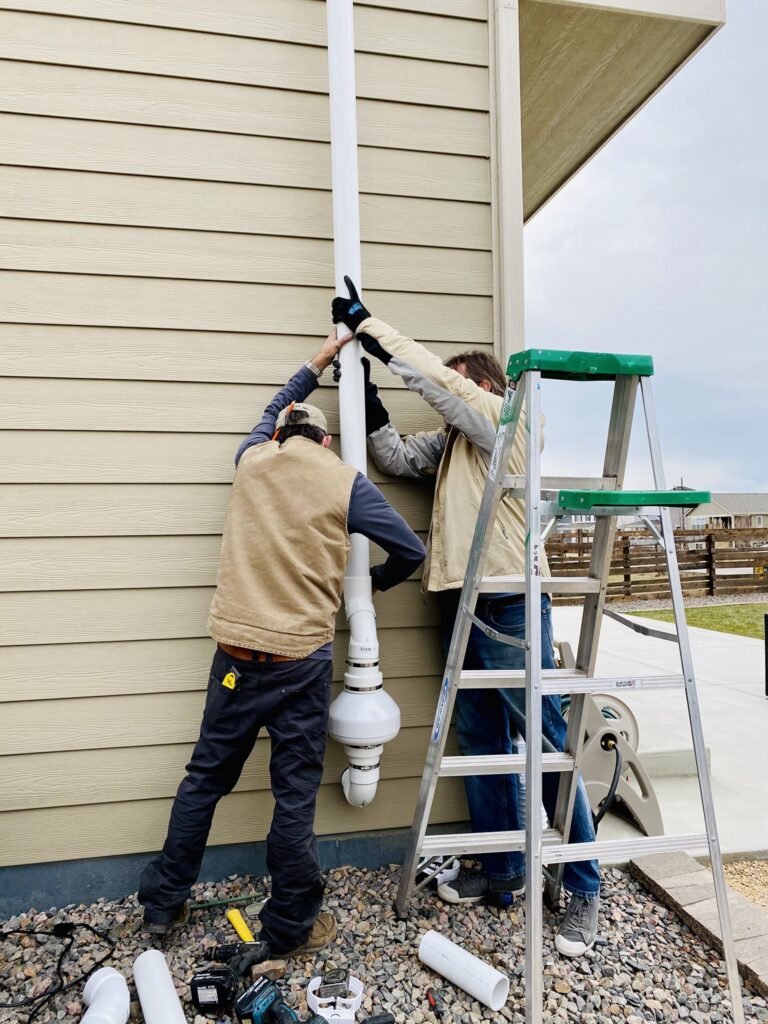
DENVER RADON TESTING: THE FIRST STEP TO A SAFE HOME
When it comes to ensuring the safety and well-being of your family, there are numerous factors to consider. One crucial aspect that often goes overlooked is radon testing. Radon is a naturally occurring gas that can seep into homes through soil and groundwater, posing a significant threat to indoor air quality. According to the Environmental Protection Agency, radon is the second-leading cause of lung cancer in the United States, responsible for over 21,000 deaths annually. In Denver, where the soil composition is particularly conducive to radon accumulation, it’s essential to take proactive steps to mitigate this risk. The first step towards a safe home is to conduct a thorough radon testing.
Understanding Radon Testing
Radon testing involves measuring the levels of radon gas in your home. This can be done using various methods, including short-term and long-term tests. Short-term tests typically last for 2-7 days, while long-term tests can take anywhere from 30 days to 12 months. The choice of test method depends on factors such as the size of your home, the type of foundation, and the level of radon you suspect may be present. It’s recommended to use a certified radon testing kit, which can be obtained from reputable suppliers, such as Discover expert strategies here.
Why Radon Testing is Essential
- Radon testing provides a clear understanding of the radon levels in your home, allowing you to take informed decisions about mitigation.
- Early detection and mitigation can significantly reduce the risk of radon-related health issues.
- Radon testing is a relatively inexpensive and non-invasive process, making it an accessible option for homeowners.
What to Expect from Radon Testing
When conducting radon testing, it’s essential to follow a series of steps to ensure accurate results. These include:
- Choosing the right testing method for your home.
- Placing the testing device in a location where it will not be disturbed or affected by external factors.
- Ensuring the testing device is not exposed to direct sunlight or moisture.
- Allowing the testing device to run for the recommended duration.
- Collecting and analyzing the results.
Interpreting Radon Test Results
Radon test results are typically expressed in picocuries per liter (pCi/L). The EPA recommends taking action if the radon level exceeds 4 pCi/L. However, it’s essential to note that some states have more stringent guidelines. For instance, Colorado recommends taking action if the radon level exceeds 2 pCi/L. If your test results indicate elevated radon levels, it’s crucial to consult with a certified radon mitigation professional to develop a customized plan to reduce radon levels. You can find more information on radon mitigation strategies and techniques at Learn about our tailored solutions.
Conclusion
Radon testing is a vital step towards ensuring the safety and well-being of your family. By understanding the importance of radon testing and following the necessary steps, you can take control of your indoor air quality. Remember, radon testing is not a one-time process; it’s an ongoing effort to maintain a safe and healthy home environment. For more information on radon testing and mitigation, explore Explore advanced guides and tips and discover the best practices for a radon-free home.
Find out more about this approach and how it can benefit your family’s health and well-being by consulting with a certified radon mitigation professional. Don’t wait until it’s too late; take the first step towards a safe home today.