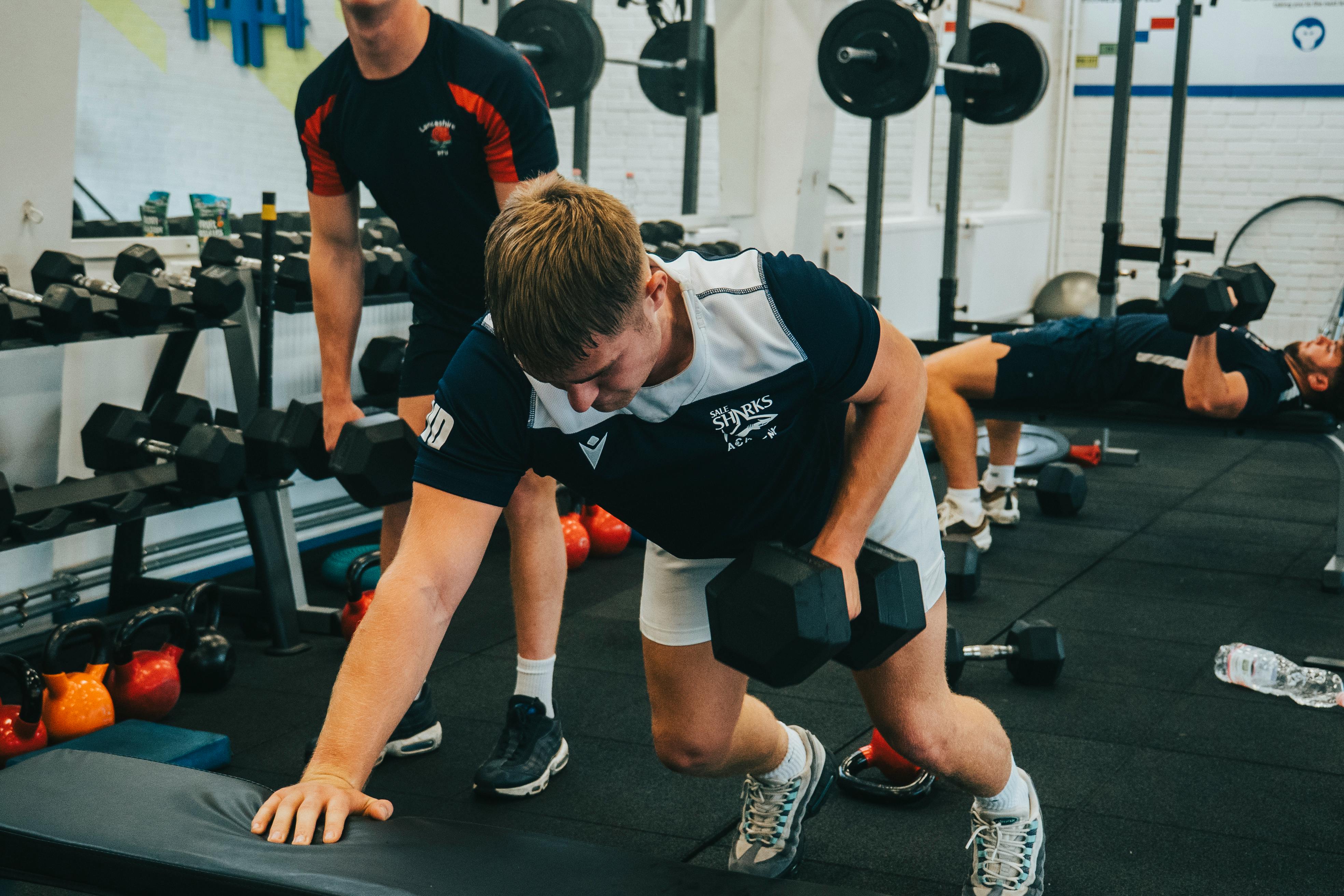
Strength and conditioning training is a cornerstone of athletic development, injury prevention, and overall health. By integrating both power-focused exercises and flexibility work, athletes and fitness enthusiasts can achieve a balanced physique that performs efficiently under stress while maintaining a full range of motion. This article explores the scientific principles behind combining strength and flexibility, outlines practical programming strategies, and highlights key considerations for creating a well-rounded training regimen.
Understanding the Dual Goals: Power and Flexibility
Power and flexibility are often viewed as opposing qualities, yet they are interdependent components of functional movement. Power is generated through the rapid recruitment of muscle fibers, whereas flexibility ensures that joints can move through their optimal arcs without restriction. When both are cultivated, the body can produce force quickly and safely.
Why Power Matters
- Enhances explosive performance in sports such as sprinting, jumping, and throwing.
- Improves neuromuscular efficiency, allowing faster force production.
- Supports daily activities that require sudden bursts of strength.
Why Flexibility Is Essential
- Increases joint range of motion, reducing the risk of strains and sprains.
- Facilitates proper technique in strength exercises, leading to better muscle activation.
- Promotes quicker recovery by enhancing circulation and reducing muscle stiffness.
Designing a Balanced Training Program
Creating a program that simultaneously develops power and flexibility requires strategic exercise selection, appropriate sequencing, and consistent progression. Below is a framework that can be adapted for beginners to advanced athletes.
1. Periodization Structure
- Macrocycle: Outline a 12-month plan dividing the year into phases (e.g., hypertrophy, strength, power, and maintenance).
- Mesocycle: Allocate 4-6 week blocks within each phase, focusing on specific adaptations.
- Microcycle: Plan weekly sessions that blend strength, power, and flexibility work.
2. Weekly Session Layout
A typical week might look like this:
- Day 1 – Lower-Body Power & Dynamic Stretching
- Box jumps, power cleans, or kettlebell swings.
- Dynamic leg swings, walking lunges with torso twists.
- Day 2 – Upper-Body Strength & Static Stretching
- Bench press, rows, overhead press.
- Static holds for chest, shoulders, and back.
- Day 3 – Active Recovery
- Low-intensity mobility drills, yoga flow, or light swimming.
- Day 4 – Full-Body Power Circuits & Mobility Drills
- Medicine-ball throws, plyometric push-ups.
- Hip openers, thoracic spine rotations.
- Day 5 – Strength Emphasis & Myofascial Release
- Squats, deadlifts, weighted pull-ups.
- Foam-rolling and targeted static stretches.
3. Exercise Selection Tips
- Prioritize compound movements for power (e.g., Olympic lifts, jumps).
- Integrate unilateral exercises to address asymmetries.
- Use mobility-focused drills that mimic the movement patterns of the strength work.
Integrating Flexibility Into Strength Sessions
Rather than treating flexibility as an afterthought, embed it within each training block. This approach reinforces motor patterns and ensures joints are prepared for load.
- Dynamic Warm-Ups: Perform movement-specific stretches (e.g., leg swings before squats) to increase temperature and range of motion.
- Post-Exercise Stretching: Follow heavy lifts with static holds of 30-60 seconds to lengthen the trained muscles.
- Active Recovery Days: Use yoga or mobility circuits to maintain flexibility without compromising recovery.
For deeper insight into integrating these concepts, Read more about this topic.
Monitoring Progress and Adjusting Load
Objective tracking is vital to ensure both power and flexibility improve without one lagging behind. Use a combination of performance metrics and mobility assessments.
Key Performance Indicators
- Vertical jump height or sprint times for power.
- Range-of-motion measurements (e.g., sit-and-reach, shoulder flexion) for flexibility.
- Strength ratios (e.g., squat to deadlift) to gauge balanced development.
Adjustment Strategies
- If power plateaus, increase load intensity or incorporate more plyometrics.
- If flexibility declines, add dedicated mobility sessions or extend static stretching duration.
- Periodically reassess movement quality to identify compensations.
For a comprehensive guide on tracking and adaptation, Explore further insights here.
Common Mistakes to Avoid
- Neglecting Mobility: Skipping warm-ups can limit power output and increase injury risk.
- Overemphasizing One Aspect: Focusing solely on strength may lead to reduced flexibility and vice versa.
- Inconsistent Programming: Randomly mixing exercises without a periodized plan hampers long-term progress.
- Improper Recovery: Insufficient sleep, nutrition, or active recovery can stall both power and flexibility gains.
Conclusion
Balancing power and flexibility within a strength and conditioning program creates a resilient, high-performing athlete capable of executing explosive movements safely and efficiently. By employing periodized structures, integrating mobility work throughout each session, and monitoring both performance and range of motion, practitioners can achieve sustainable improvements. Continuous education and thoughtful program design remain essential for long-term success.
For additional resources and evidence-based recommendations, Find additional information here.