Transforming an interior space is not just about changing the decor; it’s about creating an environment that reflects personal style and enhances daily life. Whether it’s a complete overhaul or subtle changes, the impact of a well-executed interior transformation can be both functional and aesthetically pleasing. With the right approach, any space can be revamped to exude new life and energy. This article explores various strategies and ideas to achieve stunning results that resonate with contemporary tastes and timeless elegance.
Understanding the Basics of Interior Transformation
Before diving into the design process, it’s essential to understand the fundamental principles that guide successful transformations. These include:
- Identifying the purpose and function of the space.
- Considering the existing architecture and layout.
- Balancing style with practicality.
- Incorporating elements that reflect personal taste and lifestyle.
By keeping these principles in mind, the transformation process becomes more structured and effective, leading to spaces that are both beautiful and functional.
Key Elements of a Stunning Transformation
Color and Texture
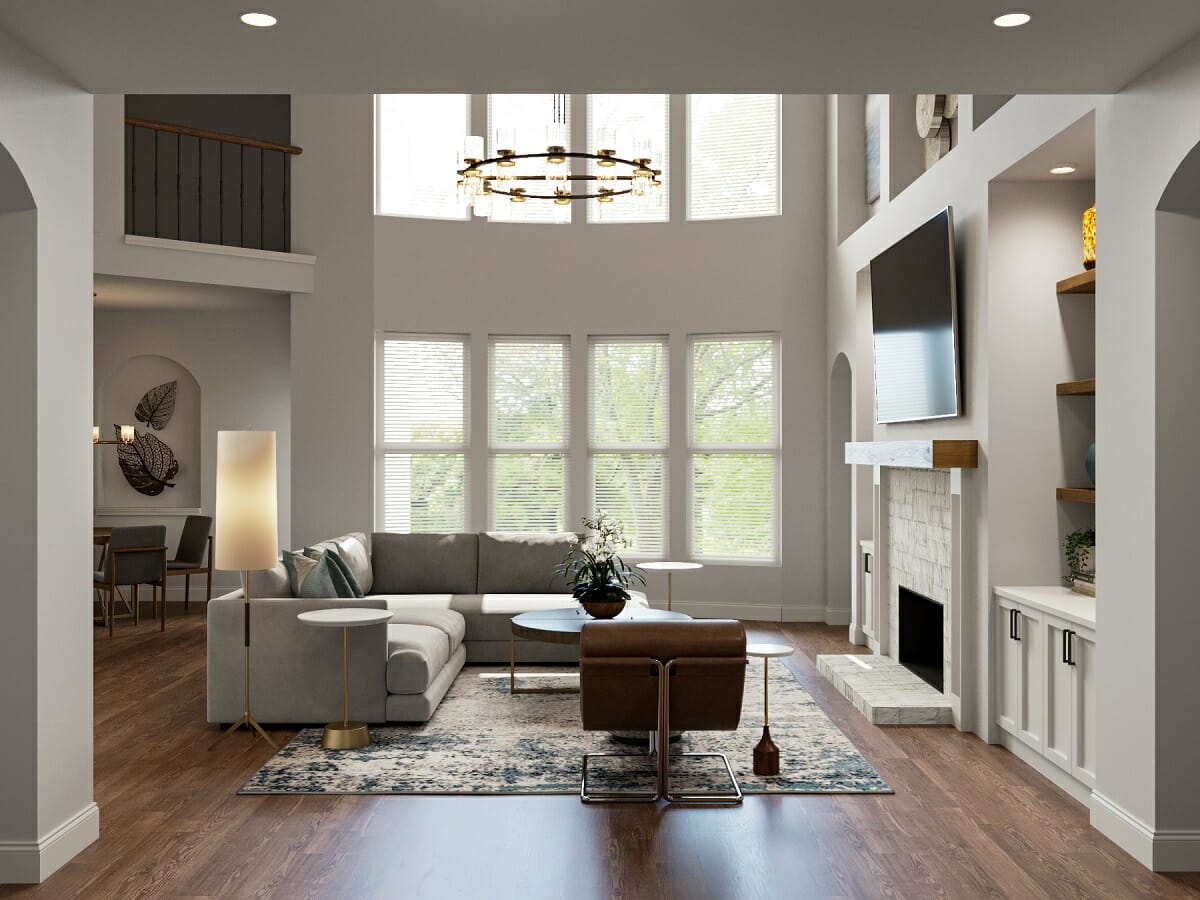
Color is a crucial component in setting the tone of any room. Opt for a palette that complements the natural light and the intended mood of the space. Consider using textures to add depth and interest:
- Mix and match fabrics, such as velvet, linen, and leather.
- Incorporate textured wall finishes for a dynamic effect.
Furniture and Layout
Selecting the right furniture is vital for maximizing space and enhancing functionality. Consider the following when choosing pieces:
- Prioritize comfort, especially for frequently used areas like living rooms and bedrooms.
- Opt for multifunctional furniture to optimize small spaces.
- Ensure a cohesive style that ties the entire room together.
Lighting
Lighting plays a transformative role in any interior design. Proper lighting can create ambiance, highlight architectural features, and improve the overall aesthetic of the space. Consider:
- Layered lighting to provide versatility and control.
- Accent lighting to draw attention to artwork or architectural details.
- Energy-efficient options to promote sustainability.
Incorporating Current Trends
Staying updated with current design trends can provide inspiration and fresh ideas for your space. Some of the latest trends include:
- Biophilic design, which incorporates natural elements to enhance well-being.
- Sustainable practices, focusing on environmentally friendly materials and methods.
- Minimalist aesthetics, emphasizing simplicity and functionality.
Integrating these trends can modernize a space while maintaining a timeless appeal.
Conclusion
Revamping an interior space involves a strategic blend of creativity, functionality, and trend awareness. By understanding the core elements of interior transformations and incorporating contemporary designs, any space can be transformed into a stunning reflection of personal style and modern elegance. Whether the goal is a complete renovation or a simple refresh, these principles and ideas serve as a guide to achieving remarkable results that resonate with the essence of a beautifully designed home.