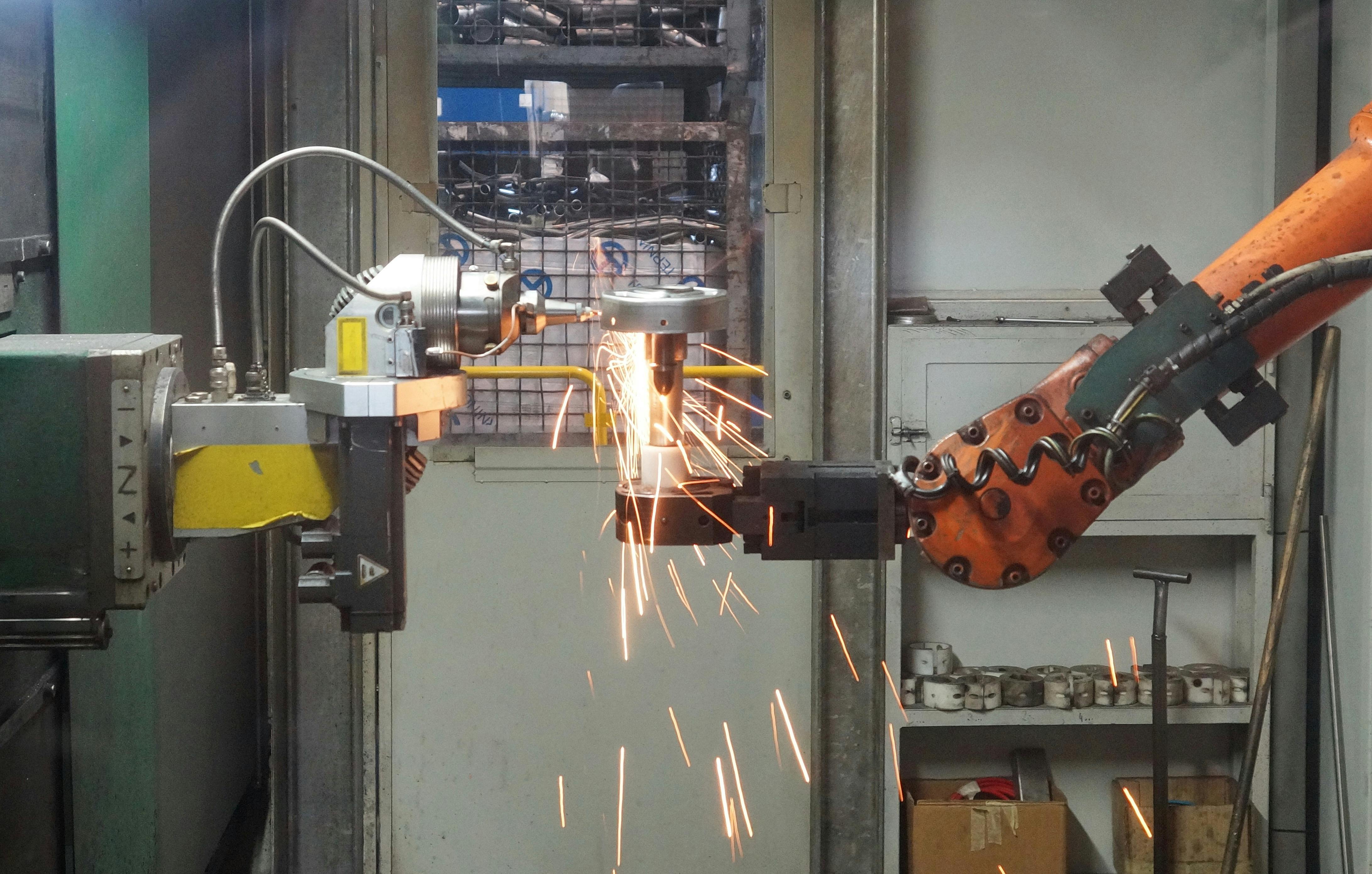
In today's rapidly evolving industrial landscape, automation has become a pivotal component in enhancing productivity, efficiency, and precision. At the heart of this revolution lies control systems integration, a discipline that seamlessly combines various technological elements to create a cohesive and efficient operational environment. This process not only streamlines the manufacturing process but also ensures that businesses can adapt to dynamic market demands while maintaining high-quality standards. As industries increasingly embrace automation, understanding the role of control systems integration becomes crucial for achieving sustainable growth and competitiveness.
The Fundamentals of Control Systems Integration
Control systems integration involves the unification of disparate subsystems into a single, cohesive system that functions harmoniously. This integration is essential for ensuring that industrial processes operate seamlessly and efficiently. It encompasses the following key elements:
- Hardware and Software Coordination: Ensures that physical devices and software applications work together seamlessly.
- Data Management: Facilitates the collection, processing, and analysis of data from various sources.
- Communication Protocols: Establishes reliable communication channels between different components of the system.
By harmonizing these elements, control systems integration enhances the overall functionality and reliability of industrial automation systems. Find out more about this approach.
Benefits of Control Systems Integration in Industrial Automation
Integrating control systems within industrial automation offers several advantages that significantly enhance operational efficiency and productivity.
Increased Efficiency and Productivity
Integrated systems allow for:
- Streamlined Operations: Automation systems function more efficiently, reducing downtime and minimizing errors.
- Optimized Resource Use: Resources such as energy and materials are utilized more efficiently, leading to cost savings.
To discover expert strategies here, integrating these systems can lead to substantial productivity improvements.
Enhanced Flexibility and Scalability
Control systems integration provides the flexibility needed to adapt to changing production needs and market demands. Benefits include:
- Rapid Adaptation: Integrated systems can quickly adjust to new production requirements or changes in demand.
- Scalability: Systems can be easily expanded or modified to accommodate growth or new technologies.
For more information, explore advanced guides and tips on how integration can enhance scalability.
Improved Quality and Reliability
By ensuring that all components of an industrial system are working in unison, control systems integration improves both the quality and reliability of production processes. Key improvements include:
- Consistent Quality: Automated systems maintain high standards of quality through precise control mechanisms.
- Reduced Error Rates: Integrated systems are less prone to human errors, which enhances overall reliability.
Learn about our tailored solutions to further understand the impact on quality and reliability.
Challenges and Considerations
While the benefits of control systems integration are substantial, there are challenges that industries must address:
- Complexity of Integration: Bringing together diverse systems can be complex and may require specialized expertise.
- Cost Considerations: The initial investment in integration can be significant, though it often results in long-term savings.
- Data Security: Integrated systems must have robust security measures to protect sensitive data.
To successfully navigate these challenges, businesses can learn about our tailored solutions that address specific integration needs.
Conclusion
In the realm of industrial automation, control systems integration stands as a cornerstone for achieving operational excellence. By effectively combining hardware, software, and communication protocols, industries can unlock new levels of efficiency, flexibility, and reliability. As the industrial landscape continues to evolve, embracing control systems integration will be key to maintaining a competitive edge and fostering innovation. To delve deeper into the intricacies of this process, businesses can explore advanced guides and tips on achieving seamless integration.