In today's rapidly evolving business environment, logistics automation is becoming an essential component of operational efficiency, particularly in dynamic markets like New Zealand. The integration of automation in logistics processes not only enhances precision and speed but also significantly reduces operational costs. Businesses that embrace these advanced technologies position themselves strategically for growth and competitiveness. By leveraging the latest in logistics automation, companies can streamline their operations, improve customer satisfaction, and secure a stronger foothold in the market.
Understanding Logistics Automation
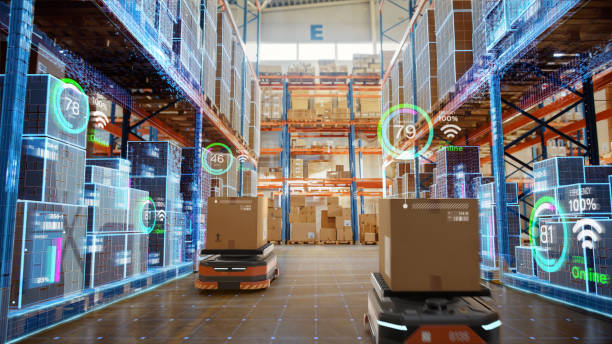
Logistics automation involves the use of technology to manage processes and tasks traditionally handled by human labor. This can include anything from automated guided vehicles (AGVs) in warehouses to sophisticated software systems that manage supply chain operations. The primary goal is to optimize the logistics workflow, minimize errors, and reduce manual effort.
Benefits of Logistics Automation
Implementing logistics automation offers numerous advantages, such as:
- Increased Efficiency: Automation accelerates processes, allowing businesses to handle larger volumes of work with fewer resources.
- Cost Reduction: By reducing the need for manual labor and minimizing errors, companies can significantly cut down on operational costs.
- Improved Accuracy: Automation reduces the likelihood of human error, ensuring that operations run smoothly and reliably.
- Enhanced Scalability: Automated systems can be easily scaled to meet increasing demand without a proportional increase in labor costs.
Find out more about this approach to logistics automation and how it can benefit your business.
Implementing Logistics Automation in New Zealand
The New Zealand market presents unique opportunities and challenges for logistics automation. With its distinct geographical layout and diverse industries, tailored solutions are crucial for successful implementation. Key considerations for businesses looking to automate their logistics processes include:
Technology Selection
Choosing the right technology is essential. Companies should assess their specific needs and select platforms that align with their operational goals. Learn about our tailored solutions that can guide businesses through this critical decision-making process.
Integration and Training
Successful automation requires seamless integration with existing systems and comprehensive training for staff. This ensures that employees can effectively manage and operate new automated systems, maximizing the potential benefits.
Compliance and Standards
Adhering to local regulations and industry standards is vital. Automation systems must comply with all relevant laws to avoid potential legal complications. Explore advanced guides and tips on ensuring compliance in logistics automation.
Future Trends in Logistics Automation
As technology continues to advance, the future of logistics automation looks promising. Emerging trends include the use of artificial intelligence (AI) for predictive analytics, blockchain for secure data management, and drones for last-mile delivery. These innovations are set to further enhance efficiency and transform the logistics landscape.
For businesses eager to remain at the forefront of these developments, discover expert strategies here to integrate cutting-edge technology into your logistics operations.
In conclusion, logistics automation is not merely a trend but a fundamental shift in how businesses operate. By embracing these technologies, companies in New Zealand can optimize their operations, reduce costs, and improve overall efficiency. As the landscape continues to evolve, staying informed and adaptable will be key to maintaining a competitive edge.