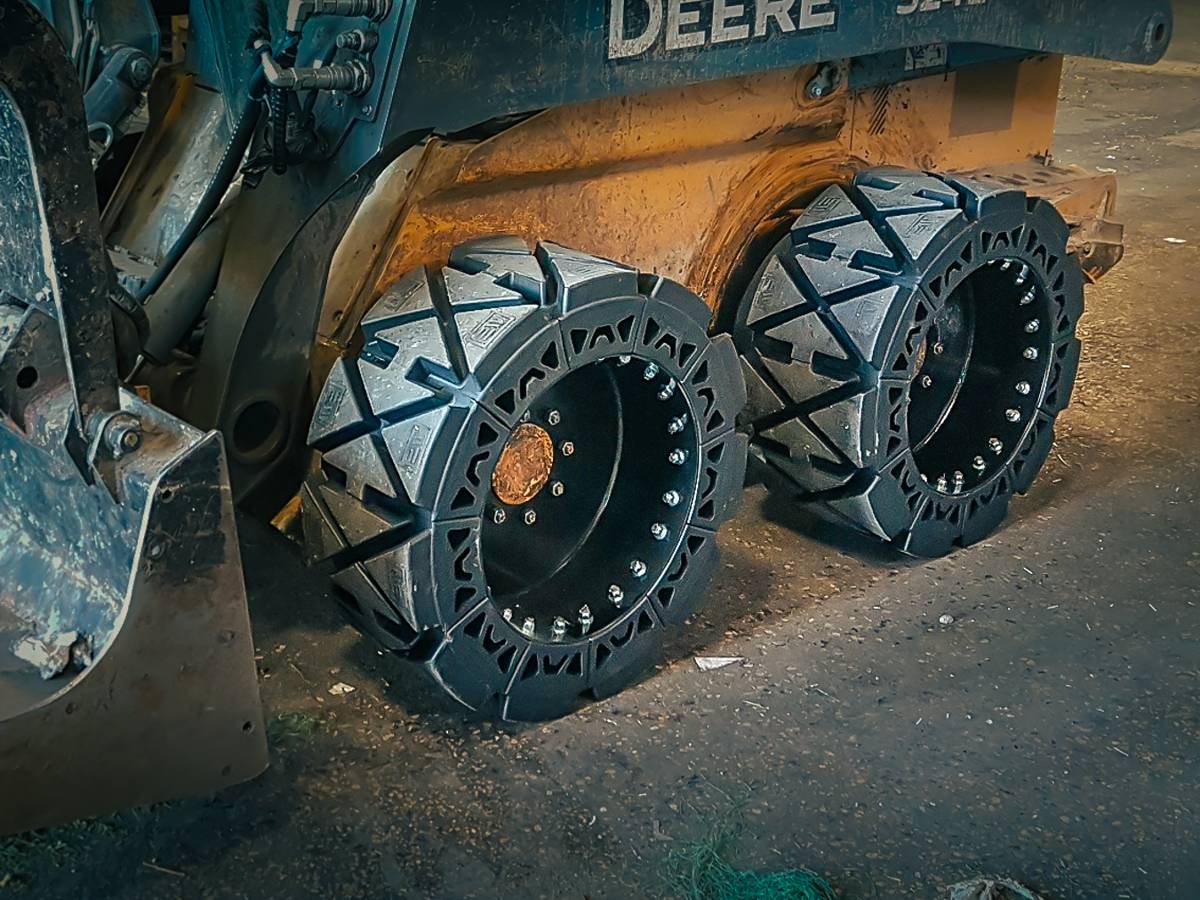
Choosing the correct 10×16.5 skid steer tires is essential for maximizing equipment productivity, safety, and longevity. These tires must match the specific demands of the job site, the type of terrain, and the operating conditions of the skid steer. This guide walks through the key factors to consider, helping operators and fleet managers make an informed decision that balances performance, cost, and durability.
Understanding the 10×16.5 Tire Specification
The designation “10×16.5” describes the tire’s width, overall diameter, and load capacity. Interpreting these numbers correctly ensures the tire fits the wheel hub and meets the machine’s weight requirements.
- Width (10 inches): Determines the contact patch and traction on various surfaces.
- Overall diameter (16.5 inches): Affects ground clearance and the skid steer’s ability to roll over obstacles.
- Load rating: Must exceed the machine’s maximum axle load to prevent premature wear or failure.
Key Factors When Selecting 10×16.5 Skid Steer Tires
1. Terrain Type
Different terrains demand distinct tread patterns and rubber compounds. Consider the following terrain categories:
- Soft soil or mud: Deep, aggressive tread that pushes material aside.
- Hard-packed or rocky ground: Stiffer sidewalls and a moderate tread to resist punctures.
- Mixed conditions: Versatile tread designs that balance traction and wear.
For a deeper dive into terrain-specific tire choices, Read more about this topic.
2. Load Capacity and Inflation Pressure
Matching the tire’s load rating to the skid steer’s operating weight prevents excess heat buildup and sidewall damage. Always adhere to the manufacturer’s recommended inflation pressure, adjusting for:
- Payload variations
- Ambient temperature changes
- Altitude differences
3. Tire Construction
Construction influences durability and ride comfort. Common constructions include:
- Radial: Better heat dissipation and longer tread life.
- Bias-ply: Stronger sidewalls, useful for rugged, off-road work.
- Reinforced bead: Enhances wheel-rim retention under heavy loads.
To explore the advantages of each construction type, Learn more in this detailed guide.
Maintenance Practices That Extend Tire Life
Even the best-selected tire will underperform without proper upkeep. Implement the following routine checks:
- Inspect tread depth weekly; replace when wear reaches the minimum safety limit.
- Check for cuts, punctures, or sidewall bulges before each shift.
- Maintain correct inflation pressure; under-inflation increases heat, over-inflation reduces traction.
- Rotate tires regularly to ensure even wear across the tread surface.
- Clean debris from the tread after each use, especially when operating in sticky or abrasive soils.
Cost Considerations and ROI
While price is a factor, evaluating total cost of ownership provides a clearer picture of value. Account for:
- Initial purchase price
- Expected tread life (hours of operation per tire)
- Fuel efficiency impacts, properly sized tires can reduce rolling resistance.
- Downtime costs associated with premature tire failure.
Balancing these elements helps determine the most economical choice over the equipment’s service life.
Environmental and Safety Implications
Choosing the right tire contributes to safer site conditions and lower environmental impact.
- Reduced soil compaction: Appropriate tire width distributes weight more evenly.
- Improved operator control: Correct tread pattern enhances braking and steering.
- Lower emissions: Efficient tires reduce fuel consumption, decreasing greenhouse-gas output.
Final Checklist Before Purchase
Use this quick reference to confirm that the selected 10×16.5 tire meets all operational needs:
- Matches machine’s wheel hub dimensions.
- Exceeds required load rating.
- Appropriate tread design for the primary terrain.
- Compatible construction (radial or bias-ply) for expected work conditions.
- Complies with recommended inflation pressures.
- Offers a reasonable tread-life expectancy relative to cost.
For additional resources and a comprehensive list of compatible tire options, Explore further insights here.