When it comes to roofing materials, homeowners have a wide range of options to choose from. Among the various traditional materials like asphalt shingles and clay tiles, metal roofing has gained significant attention in recent years. One of the primary reasons behind its growing popularity is its durability and cost-effectiveness. In this article, we will delve into the cost of tin roofing compared to traditional materials, exploring the benefits and drawbacks of each option.
Cost Comparison of Tin Roofing and Traditional Materials
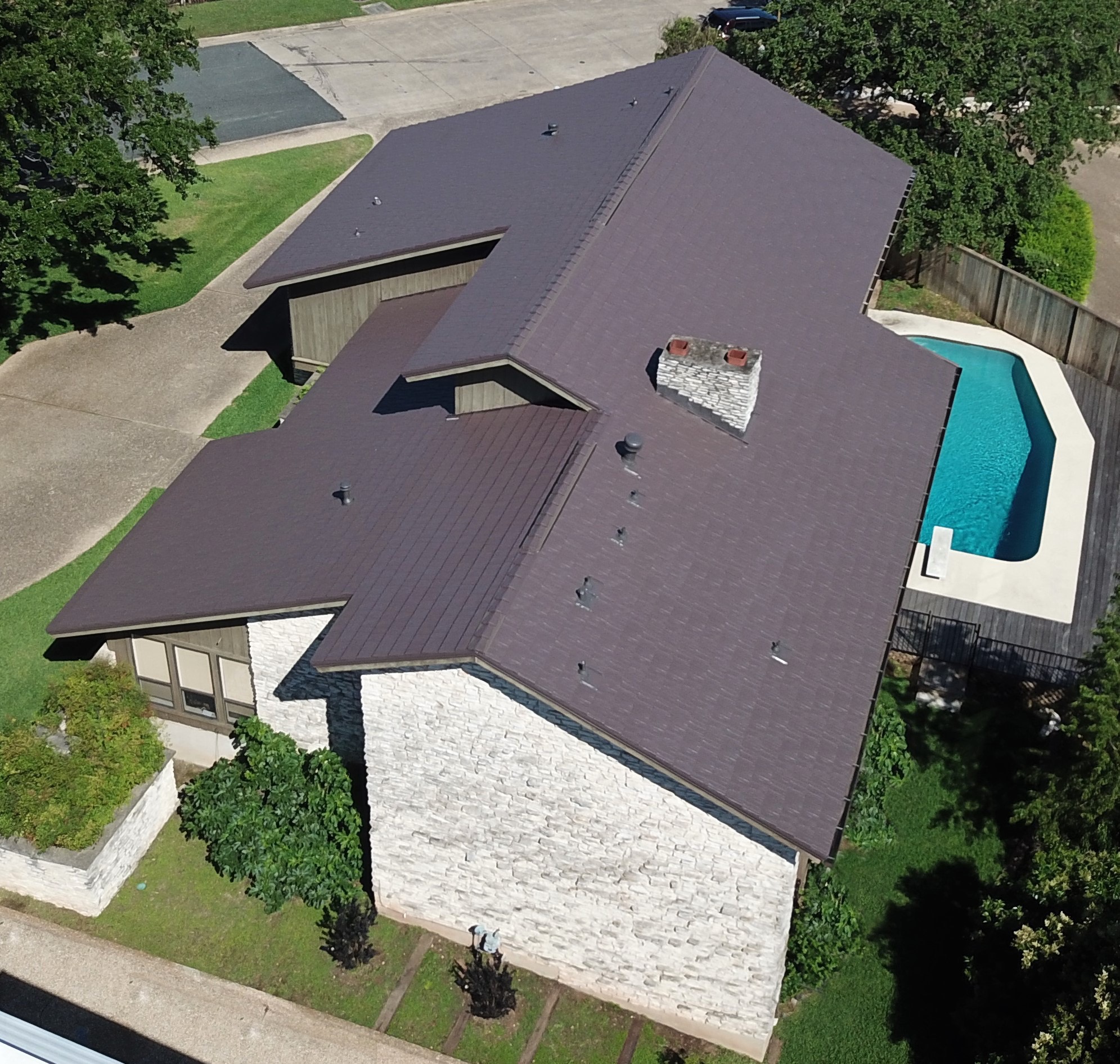
Tin roofing, also known as metal roofing, is made from tin-coated steel or aluminum. It offers exceptional durability, resistance to weather conditions, and a long lifespan. According to the experts at Discover expert strategies here, the cost of tin roofing can vary depending on factors such as the material, installation method, and location. On average, the cost of tin roofing can range from $7 to $14 per square foot, making it a more expensive option compared to traditional materials.
Traditional Roofing Materials
Traditional roofing materials like asphalt shingles, clay tiles, and wood shakes have been popular for decades. However, they have their own set of limitations. Asphalt shingles, for instance, are prone to damage from extreme weather conditions and have a relatively shorter lifespan compared to metal roofing. Clay tiles, on the other hand, are heavy and require additional structural support, which can increase installation costs. Wood shakes, while aesthetically pleasing, are prone to rot and insect damage.
- Asphalt Shingles: $3 to $7 per square foot
- Clay Tiles: $10 to $20 per square foot
- Wood Shakes: $8 to $15 per square foot
Benefits of Tin Roofing
Tin roofing offers numerous benefits that make it an attractive option for homeowners. Some of the key advantages include:
- Long Lifespan: Tin roofing can last for 30 to 50 years or more, depending on the material and installation method.
- Weather Resistance: Metal roofing is highly resistant to weather conditions like rain, snow, and hail.
- Energy Efficiency: Tin roofing can help reduce energy consumption by reflecting sunlight and heat.
- Low Maintenance: Metal roofing requires minimal maintenance compared to traditional materials.
While the initial cost of tin roofing may be higher, its long-term benefits and cost-effectiveness make it a worthwhile investment for homeowners. For a more detailed understanding of the benefits and drawbacks of tin roofing, explore the advanced guides and tips provided by Learn about our tailored solutions.
Conclusion
In conclusion, the cost of tin roofing compared to traditional materials is a crucial factor to consider when making a decision. While traditional materials may be more affordable upfront, tin roofing offers numerous benefits that make it a worthwhile investment in the long run. Homeowners should carefully weigh the pros and cons of each option and consider factors like durability, maintenance, and energy efficiency when making a decision. By doing so, they can make an informed choice that meets their needs and budget. For more information on tin roofing and its benefits, visit Find out more about this approach and discover why it’s becoming increasingly popular among homeowners.