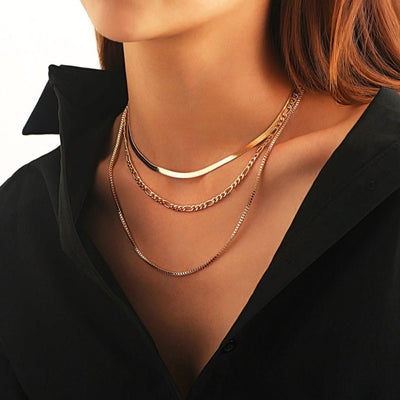
The world of jewelry has become increasingly diverse, with various styles and materials available to suit different tastes and preferences. When it comes to choosing a high-quality, non-tarnish jewelry option, several factors come into play. This article aims to provide readers with a comprehensive understanding of the key considerations and factors to look for in a non-tarnish jewelry piece.
Understanding Non-Tarnish Jewelry
Non-tarnish jewelry refers to pieces that are designed to resist the formation of tarnish, a chemical reaction that causes metals to darken or discolor over time. This is particularly important for jewelry that contains metals such as silver, copper, or brass, which are prone to tarnishing. To minimize the risk of tarnish, many manufacturers opt for alternative materials or employ advanced techniques to protect the metal.
Tarnish-Resistant Materials
One of the primary ways to prevent tarnish is by using materials that are naturally resistant to corrosion. Some popular options include:
- Stainless steel
- Gold-plated or gold-filled materials
- Antique silver or vermeil
These materials are often used in high-quality non-tarnish jewelry pieces, as they offer excellent durability and resistance to corrosion.
Protective Coatings and Finishes
In addition to using tarnish-resistant materials, manufacturers may also employ protective coatings or finishes to prevent corrosion. These can include:
- Clear lacquer or wax
- Anti-tarnish sprays or polishes
- Electroplating or other surface treatments
These coatings can provide an additional layer of protection against tarnish, helping to extend the lifespan of the jewelry piece.
Design and Construction
The design and construction of non-tarnish jewelry can also play a significant role in preventing tarnish. For example:
- Well-designed clasps and closures can minimize the risk of damage or wear
- Attention to detail in the manufacturing process can help prevent corrosion
- Using high-quality findings and components can also contribute to the overall durability of the piece
By combining these factors, manufacturers can create high-quality non-tarnish jewelry pieces that resist corrosion and maintain their appearance over time.
Conclusion
Non-tarnish jewelry offers a range of benefits for those looking for high-quality, long-lasting pieces. By understanding the key considerations and factors to look for, readers can make informed decisions when choosing a non-tarnish jewelry option. For more information on this topic, read more about this topic.
Additionally, exploring further insights on the topic of non-tarnish jewelry can provide valuable information on the latest trends and developments in the industry. Explore further insights here.
For those looking for high-quality non-tarnish jewelry pieces, learning more about the materials and techniques used can be incredibly beneficial. Find additional information here.