Managing hunger is one of the most challenging aspects of any weight-loss journey. While a balanced diet and regular exercise remain foundational, many individuals turn to appetite suppressants to help control cravings and maintain a caloric deficit. This article explores the science behind appetite control, reviews the most effective supplement categories, and offers practical tips for selecting a product that aligns with personal health goals.
How Appetite Suppressants Work
Appetite-suppressing agents influence hunger signals through several mechanisms:
- Neurotransmitter modulation: Compounds such as 5-HTP or phenylalanine increase serotonin levels, promoting a feeling of fullness.
- Ghrelin inhibition: Some ingredients reduce the hormone ghrelin, which is responsible for signaling hunger to the brain.
- Thermogenic effect: Ingredients like caffeine or green-tea extract boost metabolism, indirectly reducing appetite.
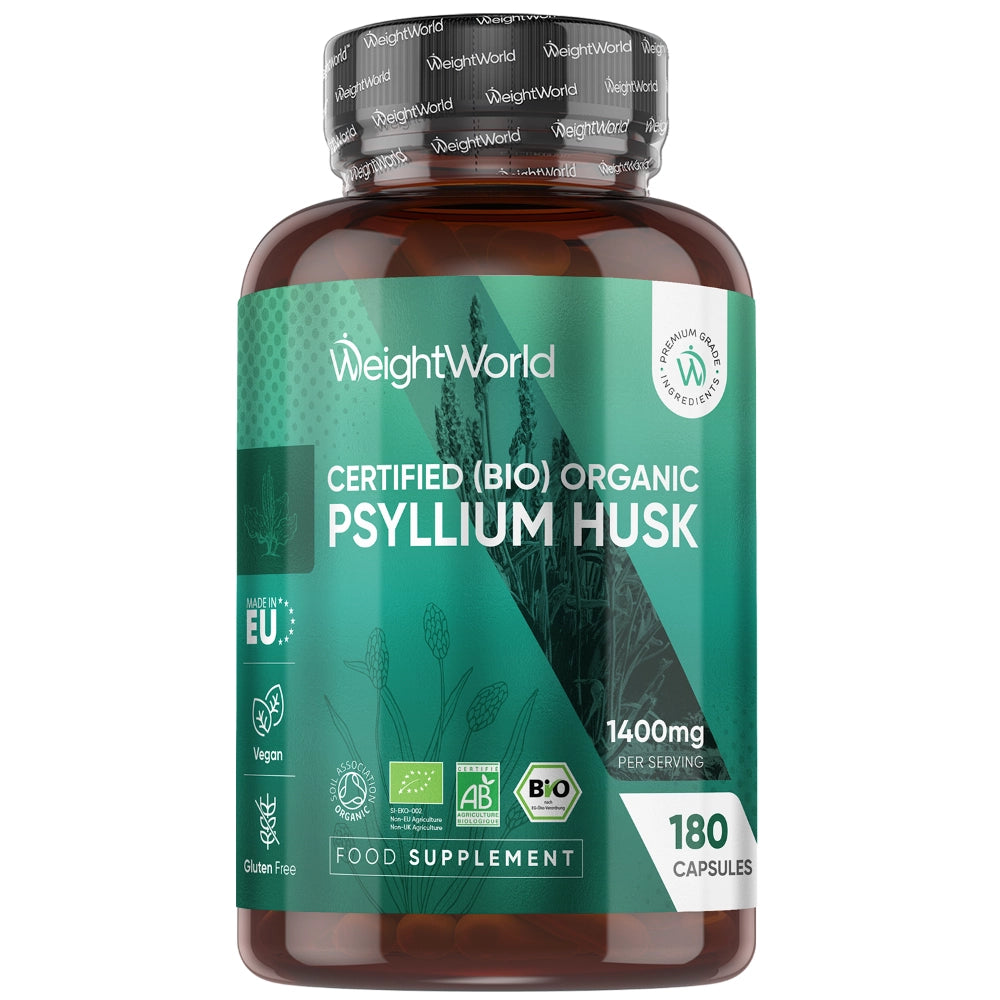
- Fiber expansion: Soluble fibers absorb water, expanding in the stomach and creating a physical sense of satiety.
Top Categories of Appetite Suppressants
1. Natural Plant Extracts
Plant-based options are popular for their gentle action and minimal side effects. Key extracts include:
- Green tea catechins: Support thermogenesis and modest appetite reduction.
- Garcinia cambogia: Contains hydroxycitric acid (HCA) that may curb cravings.
- Konjac root (glucomannan): A soluble fiber that expands in the stomach, promoting fullness.
2. Amino Acid-Based Suppressants
Certain amino acids act as precursors to neurotransmitters that signal satiety.
- 5-HTP (5-hydroxytryptophan): Boosts serotonin, helping to reduce emotional eating.
- L-phenylalanine: May slow the release of hunger-stimulating hormones.
3. Stimulant-Based Formulas
Stimulants increase alertness and can suppress appetite temporarily. Common ingredients are:
- Caffeine – widely studied for its short-term appetite-reducing effect.
- Synephrine – a bitter orange derivative offering a milder stimulant profile.
4. Fiber-Rich Supplements
High-soluble-fiber products are effective for long-lasting satiety without adding many calories.
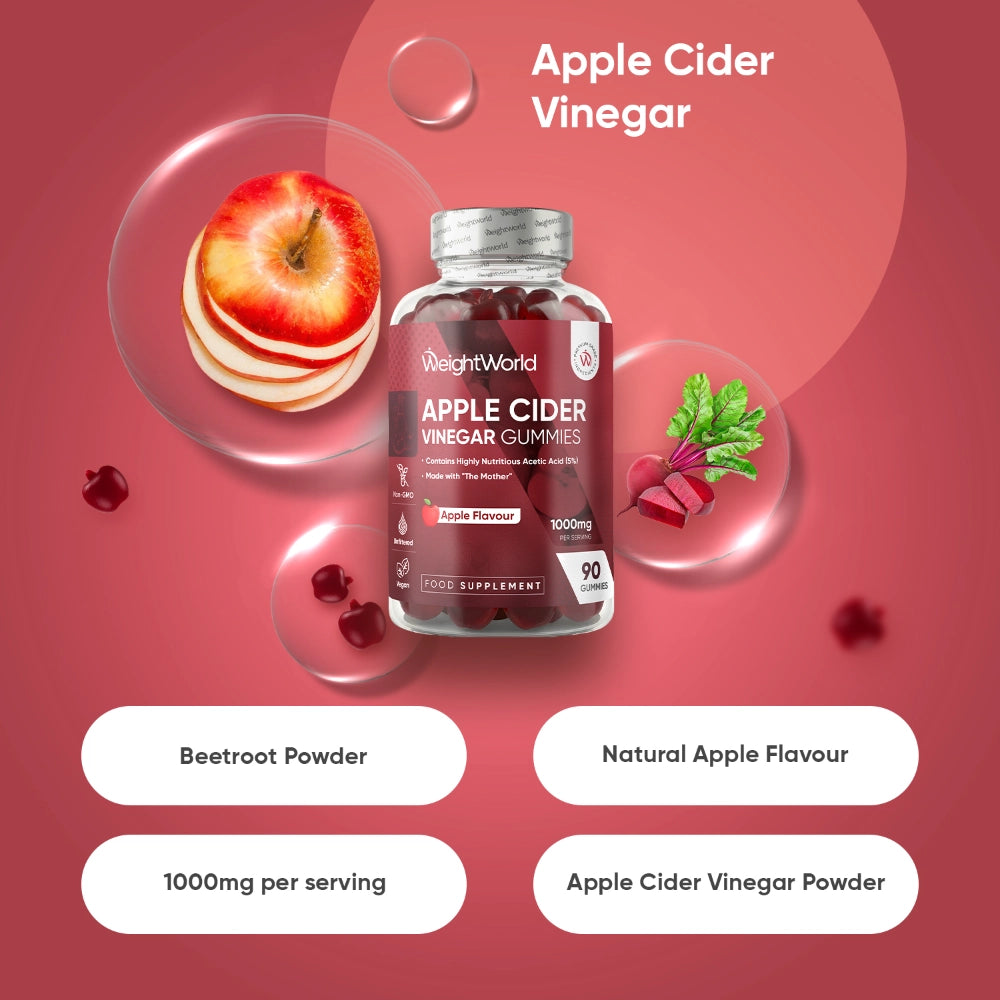
- Apple cider vinegar powders – provide acetic acid, which may slow gastric emptying.
- Inulin – a prebiotic fiber that expands in the gut and supports healthy digestion.
Choosing the Right Suppressor for You
Selecting an appropriate supplement involves more than just reading the label. Consider the following criteria:
- Ingredient transparency: Look for products that disclose exact dosages of each active component.
- Clinical evidence: Prioritize ingredients with peer-reviewed studies supporting appetite-control benefits.
- Safety profile: Verify that the formula avoids excessive stimulants or allergens that could cause adverse reactions.
- Personal health conditions: Individuals with hypertension, thyroid disorders, or pregnancy should consult a healthcare professional before use.
For a curated selection of scientifically backed options, explore the best appetite suppressant collections, where products are grouped by mechanism of action and user feedback.
Integrating Suppressants into a Balanced Lifestyle
Appetite suppressants are most effective when paired with sustainable habits:
- Consume protein-rich meals to naturally extend satiety.
- Stay hydrated; thirst is often mistaken for hunger.
- Incorporate regular physical activity to regulate hunger hormones.
- Track food intake with a journal or app to identify patterns and adjust supplement timing.
Potential Side Effects and Precautions
While many users experience mild benefits, some may encounter:
- Digestive discomfort from high fiber doses.
- Jitters or increased heart rate with stimulant-heavy formulas.
- Interaction with medications such as antidepressants or blood thinners.
Starting with a low dose and gradually increasing allows the body to adapt. If any adverse symptoms persist, discontinue use and seek medical advice.
Conclusion
Appetite suppressants can be a valuable tool for curbing cravings, especially when combined with a nutritious diet and active lifestyle. By understanding the mechanisms, evaluating ingredient quality, and selecting a product that aligns with individual health needs, it becomes possible to achieve more consistent control over hunger. The right supplement, chosen thoughtfully, helps bridge the gap between intention and results, supporting long-term weight-management success.