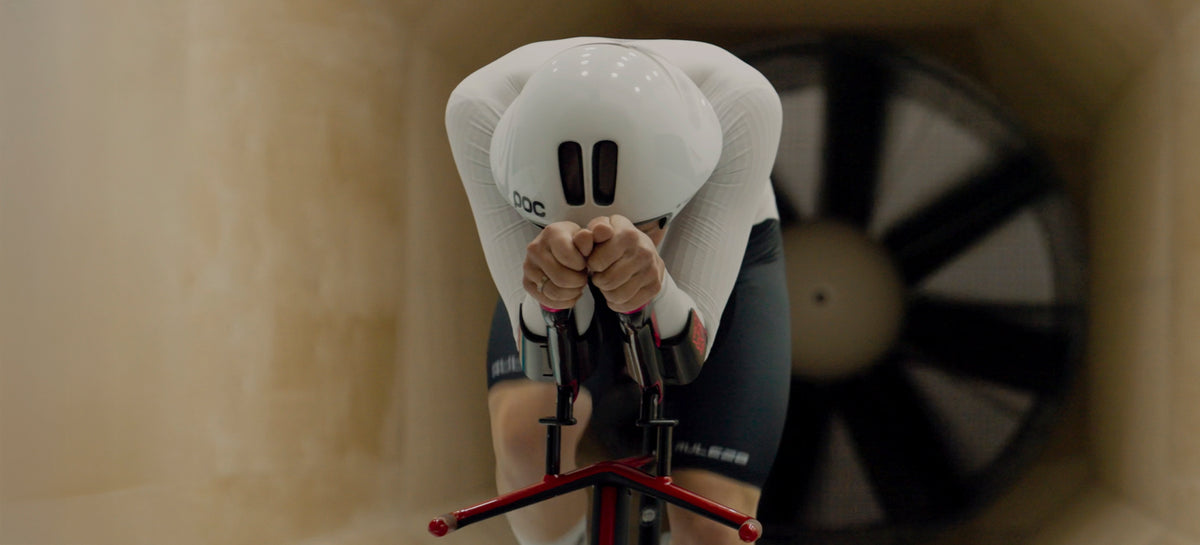
Riding on the open road demands more than just a powerful bike; the subtle nuances of aerodynamics can make a decisive difference in speed, fuel efficiency, and rider comfort. Aero overshoes, often overlooked, serve as a critical component in reducing drag while protecting the rider’s feet from wind, rain, and debris. This guide delves into the mechanics behind aero overshoes, outlines key features to consider, and provides actionable tips for selecting the right pair to maximize efficiency on any journey.
Understanding Aerodynamic Principles Behind Overshoes
When a cyclist moves through air, the shape of every exposed surface contributes to overall drag. Overshoes streamline the foot and ankle region, smoothing airflow and minimizing turbulence. The benefits are twofold:
- Reduced drag coefficient: A smoother foot profile can lower drag by up to 3%, translating into measurable speed gains over long distances.
- Improved rider stability: Consistent airflow reduces wind buffeting, allowing for steadier handling, especially in gusty conditions.
Key Aerodynamic Features to Look For
- Seamless construction: Welded or bonded seams eliminate protruding stitches that disrupt airflow.
- Low-profile cuff: A tapered cuff follows the natural line of the leg, preventing air from catching on excess material.
- Integrated ventilation: Strategically placed micro-pores maintain breathability without compromising the aerodynamic envelope.
Material Choices and Their Impact on Performance
Material selection directly influences both aerodynamic efficiency and comfort. Modern aero overshoes typically employ a blend of high-tenacity fibers and elastomers.
- Polyurethane (PU) laminates: Offer excellent wind resistance and a sleek surface finish.
- Thermoplastic polyurethane (TPU) shells: Provide a balance between rigidity for shape retention and flexibility for a snug fit.
- Neoprene linings: Add thermal insulation and water resistance while maintaining a low profile.
For a deeper dive into material science and product options, Discover expert strategies here.
Fit and Sizing: Ensuring a Secure, Aerodynamic Seal
A perfect fit is essential; gaps or excess material can create unwanted drag pockets. Follow these guidelines when measuring:
- Measure the foot’s longest dimension (from toe tip to heel) and the ankle circumference.
- Select an overshoe that offers a 2-3″?mm compression around the foot for a secure, yet comfortable, seal.
- Check that the cuff sits just above the ankle bone without compressing the calf.
Many brands provide detailed sizing charts; consulting them can prevent costly returns. To explore a range of sizes and models, Learn about our tailored solutions.
Weather Resistance and Durability
Beyond aerodynamics, overshoes must protect against the elements. Look for the following attributes:
- Waterproof membranes: Prevent infiltration while allowing sweat to escape.
- UV-stable coatings: Guard against sun-induced material degradation.
- Reinforced toe caps: Shield against road debris and occasional impacts.
For products that combine high performance with weather resilience, Explore advanced guides and tips.
Installation and Maintenance Tips
Proper installation ensures the aerodynamic shape is maintained throughout the ride. Follow these steps:
- Slide the overshoe onto the foot, aligning the heel pocket with the heel.
- Pull the cuff upward, ensuring a smooth, wrinkle-free surface.
- Secure any adjustable straps or closures, checking for even tension.
Maintenance is equally important:
- Rinse with lukewarm water after each ride to remove grit.
- Apply a silicone-based spray quarterly to preserve water repellency.
- Avoid harsh detergents that can break down elastomer bonds.
Choosing the Right Aero Overshoe for Your Riding Style
Different cycling disciplines demand specific performance characteristics.
Road Racing
- Prioritize ultra-low drag profiles and minimal weight.
- Opt for thin, high-stretch membranes that conform tightly at high speeds.
Endurance Touring
- Seek added comfort features such as padded interiors and extended ankle coverage.
- Durability and water resistance become more critical than marginal drag reductions.
Gravel and Adventure Riding
- Choose robust toe protection and reinforced seams to handle rough terrain.
- Ventilation is essential to prevent overheating during variable conditions.
For a curated selection that matches each riding discipline, Find out more about this approach.
Cost vs. Benefit Analysis
Investing in high-quality aero overshoes can appear pricey, but the performance payoff often justifies the expense.
| Price Range | Typical Features | Estimated Drag Reduction |
|---|---|---|
| $50-$100 | Basic PU laminate, simple cuff | 1-1.5% |
| $101-$180 | TPU shell, waterproof membrane, reinforced toe | 2-2.5% |
| $181-$250+ | Carbon-infused panels, custom fit, advanced ventilation | 3%+ |
Even a modest 2% reduction can shave minutes off a 100-km ride, highlighting the practical value of a well-chosen pair.
Final Recommendations
To maximize efficiency on the road, consider the following checklist before making a purchase:
- Confirm aerodynamic design elements (seamless, low-profile cuff).
- Match material properties to expected weather conditions.
- Ensure a precise fit using manufacturer sizing guides.
- Prioritize durability features for the intended riding discipline.
- Balance cost against measurable drag reduction benefits.
By integrating these considerations, cyclists can enhance speed, conserve energy, and enjoy a smoother ride regardless of distance or terrain. For a comprehensive range of options that meet these criteria, Explore advanced guides and tips and make an informed selection that aligns with performance goals.