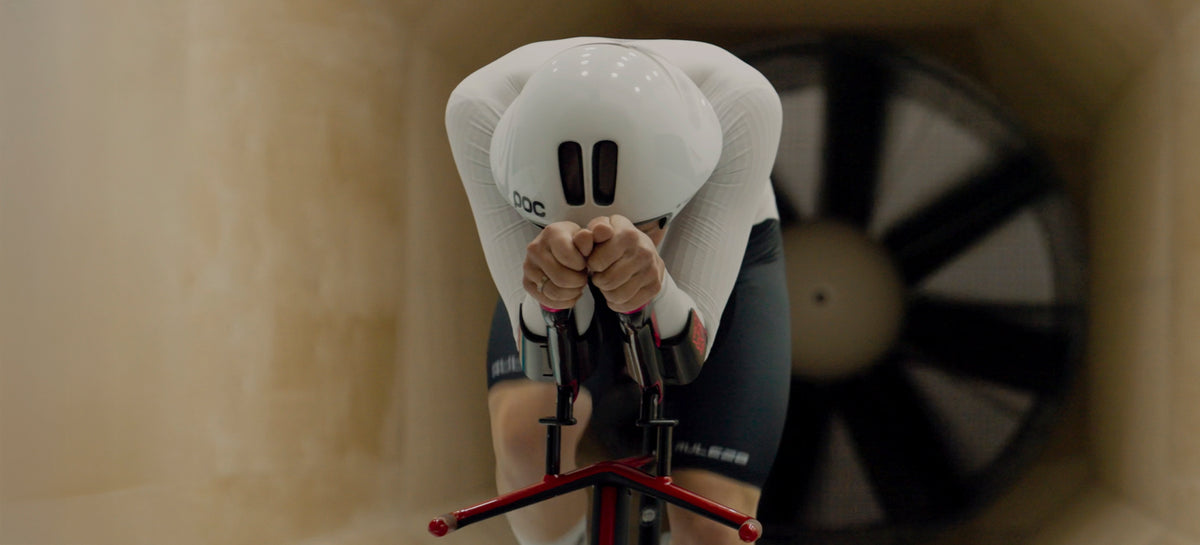
Preparing for a competitive cycling event demands more than just physical conditioning; the right kit can be the difference between a solid finish and a podium placement. From fabric technology that manages sweat to aerodynamic accessories that cut drag, every component plays a role in performance. This checklist walks through the essential items, offering practical guidance on how to assemble a race-ready ensemble that balances comfort, speed, and safety.
Core Clothing Essentials
Jersey and Bib Shorts
- Fit and Fabric: Opt for a compressive jersey made from moisture-wicking microfibers. A snug fit reduces flapping, which can increase drag.
- Seam Placement: Flatlock seams on the back and shoulders prevent chafing during long efforts.
- Bib Integration: High-quality bib shorts with a silicone gripper keep the garment in place, eliminating the need for a belt that could shift under intense pedaling.
Base Layers and Jackets
- Lightweight, breathable base layers provide thermal regulation on cooler mornings without adding bulk.
- Wind-proof, water-resistant jackets with a low profile can be stashed in a jersey pocket for sudden weather changes.
Aerodynamic Accessories
Helmet
- Choose a time-trial or aero road helmet with a teardrop shape and integrated visor to streamline airflow.
- Ensure proper fit: the helmet should sit level on the head, with the chin strap snug but comfortable.
Aero Bars and Handlebars
- Clip-on aero bars can be added to standard road handlebars for time-trial sections, allowing a more aggressive torso position.
- Carbon fiber stems and bar ends reduce weight while maintaining stiffness for precise steering.
Wheel Selection
- Deep-section carbon rims (30-50mm) improve speed on flat terrain but may be more affected by crosswinds; assess race conditions before committing.
- Clincher tires with a low rolling resistance compound and a pressure range suited to the course surface enhance grip without sacrificing speed.
Safety and Visibility Gear
Gloves and Eye Protection
- Full-finger aero gloves provide protection and reduce wind turbulence around the hands.
- UV-protected lenses with interchangeable tints adapt to varying light conditions and improve visual clarity.
Lighting and Reflectors
- Even in daylight races, a front LED light can be required for safety during early-morning starts.
- Reflective strips on the rear of the jersey and shoes increase visibility to motorists and officials.
Nutrition and Hydration Solutions
On-Bike Bottles and Cages
- Hydration cages that mount securely to the frame prevent bottle movement, which could otherwise disturb aerodynamics.
- Insulated bottles keep fluids at optimal temperature for longer rides.
Energy Gels and Bars
- Carry a mix of quick-release gels and compact carbohydrate bars to maintain energy levels throughout the race.
- Practice intake during training to avoid gastrointestinal discomfort on race day.
Technical Maintenance Kit
- Mini pump or CO??? inflator with compatible cartridges.
- Multi-tool featuring chain breaker, Torx, and Allen keys.
- Spare inner tube, tire levers, and a patch kit.
- Portable chain lube for quick adjustments during long events.
Personalization and Compliance
- Check race regulations for helmet standards, clothing color restrictions, and bike dimensions.
- Ensure sponsor logos and bib numbers are affixed according to event guidelines.
- Consider a lightweight, breathable rain jacket that meets the required visibility criteria.
Putting It All Together
When assembling the kit, lay each component on a clean surface and verify that every piece works in harmony. Conduct a short test ride to confirm that the helmet, aero bars, and shoe cleats interact without interference. Adjust clothing layers based on anticipated temperature swings, and double-check that all fasteners are tightened to the manufacturer’s torque specifications.
For deeper insight into selecting the right materials and configurations, Discover expert strategies here. Riders seeking tailored guidance on integrating advanced aerodynamics into their existing setup can Learn about our tailored solutions. Those interested in a broader knowledge base will find Explore advanced guides and tips particularly useful, while a quick visit to Find out more about this approach offers additional context on the latest industry standards.
By following this comprehensive checklist, cyclists can approach the start line confident that every element of their race kit has been optimized for performance, safety, and aerodynamic efficiency. The result is a smoother, faster ride that lets the athlete focus on strategy and execution rather than equipment concerns.