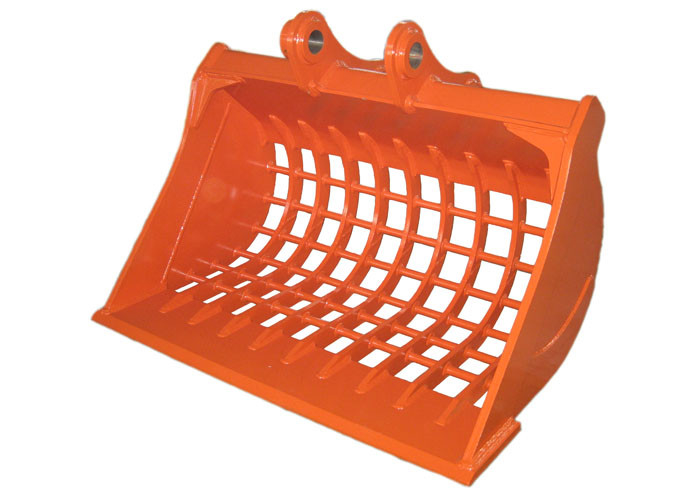
Excavator bucket attachments are a crucial component of heavy construction projects. They enable excavators to efficiently and effectively excavate, move, and load materials. The right excavator bucket attachment can significantly enhance productivity, reduce costs, and improve overall project outcomes. In this article, we will explore the benefits, types, and best practices for selecting and using excavator bucket attachments.
Benefits of Excavator Bucket Attachments
Excavator bucket attachments offer numerous benefits to construction projects. They enable excavators to perform a variety of tasks, including excavation, demolition, and material handling. By using the right bucket attachment, operators can increase productivity, reduce fatigue, and improve accuracy. Additionally, excavator bucket attachments can help reduce costs by minimizing the need for manual labor and reducing the risk of equipment damage.
Types of Excavator Bucket Attachments
There are several types of excavator bucket attachments available, each designed for specific tasks and applications. Some of the most common types include:
- General-purpose buckets: These buckets are designed for general excavation and material handling tasks.
- Rock buckets: These buckets are designed for heavy-duty excavation and demolition tasks, and are typically used for rock crushing and excavation.
- Clamshell buckets: These buckets are designed for material handling and loading tasks, and are typically used for loading heavy materials such as soil and gravel.
- Thermal buckets: These buckets are designed for thermal excavation tasks, and are typically used for excavating frozen soil and rock.
Choosing the Right Excavator Bucket Attachment
Choosing the right excavator bucket attachment for a specific project can be a complex task. It requires careful consideration of several factors, including the type of material being excavated, the size and weight of the excavator, and the specific tasks and applications of the project. To make an informed decision, operators should consult with experienced professionals and refer to industry guidelines and best practices.
Discover expert strategies for selecting the right excavator bucket attachment by visiting this resource.
Best Practices for Using Excavator Bucket Attachments
To get the most out of excavator bucket attachments, operators must follow best practices for use and maintenance. This includes regular maintenance and inspection, proper operation and handling, and adherence to safety protocols. By following these best practices, operators can ensure safe and efficient operation, and minimize the risk of equipment damage and operator injury.
Learn about our tailored solutions for excavator bucket attachment maintenance and repair by visiting this resource.
Conclusion
Excavator bucket attachments are a critical component of heavy construction projects. By selecting the right attachment for the specific task and application, operators can increase productivity, reduce costs, and improve overall project outcomes. By following best practices for use and maintenance, operators can ensure safe and efficient operation, and minimize the risk of equipment damage and operator injury.
Find out more about this approach by exploring the latest guides and tips on excavator bucket attachments.
References
When selecting and using excavator bucket attachments, operators should refer to industry guidelines and best practices. This includes consulting with experienced professionals, referring to industry publications and resources, and following safety protocols and regulations. By staying up-to-date with the latest information and guidelines, operators can ensure safe and efficient operation, and minimize the risk of equipment damage and operator injury.