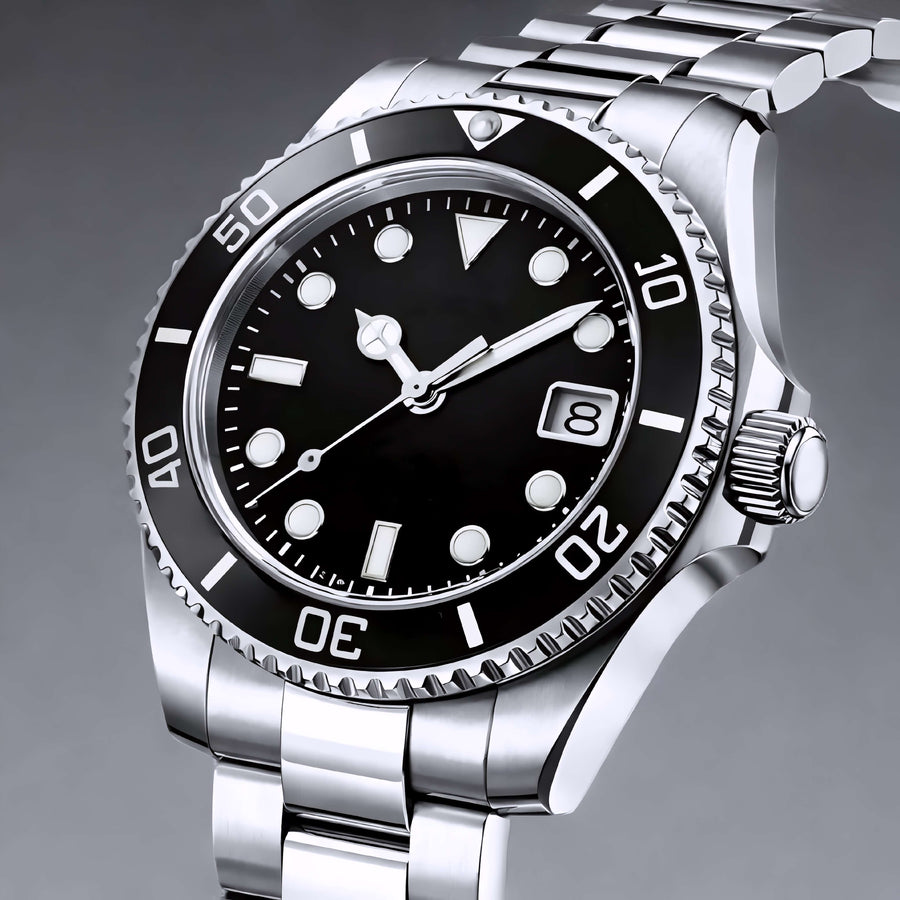
Watches are more than just time-telling devices; they are timeless symbols of craftsmanship and style. Whether it’s a vintage heirloom or a modern chronograph, proper watch care is essential to maintain functionality and appearance. This article delves into the essential aspects of watch cleaning and repair, equipping you with the knowledge to keep your timepiece in pristine condition.
Understanding Watch Components
Knowing the key components of a watch is the first step in mastering watch care. These parts include:
- Case: The outer shell that protects the internal mechanisms.
- Crystal: The transparent cover that protects the dial.
- Movement: The mechanism that drives the watch, which can be mechanical, automatic, or quartz.
- Dial: The face of the watch where time is displayed.
- Hands: The pointers that indicate the time on the dial.
Understanding these components will aid in diagnosing issues and determining maintenance needs. Explore further insights here.
Regular Cleaning Practices
Regular cleaning is crucial to maintaining the aesthetics and longevity of your watch. Here are some tips:
- Use a Soft Cloth: Wipe the case and crystal with a soft, lint-free cloth to remove dust and smudges.
- Clean the Strap: For leather straps, use a damp cloth and avoid soaking. Metal bracelets can be cleaned with mild soap and water, followed by thorough drying.
- Avoid Moisture: Unless specifically designed to be water-resistant, keep your watch away from water.
Read more about this topic to ensure you’re using the right techniques for your specific watch type.
Essential Repair Knowledge
Identifying Common Issues
Recognizing common problems can help in timely repairs and avoiding extensive damage. Some issues include:
- Inaccurate Timekeeping: Often caused by battery issues or mechanical problems.
- Condensation Under Crystal: A sign of water exposure, needing immediate attention.
- Loose or Broken Parts: Can occur with wear and tear, requiring professional repair.
Learn more in this detailed guide about diagnosing and addressing these issues.
When to Seek Professional Help
While some minor repairs can be done at home, certain situations necessitate professional intervention:
- Complex Mechanical Issues: Intricate problems should be handled by experts to avoid further damage.
- Water Damage: Requires immediate professional assessment to prevent rust and corrosion.
- Battery Replacement: Although simple, improper handling can damage the internal components.
For more comprehensive repair needs, find additional information here.
Conclusion
Mastering watch care involves understanding its components, implementing regular cleaning practices, and recognizing when professional repairs are necessary. By following these guidelines, you can ensure that your watch remains a cherished accessory for years to come. For more detailed guidance and professional services, explore further insights here.