Choosing a pilates reformer for a home studio can feel like navigating a maze of specifications, price points, and brand promises. While a high-end model may boast sleek aluminum frames, digital displays, and unlimited resistance options, a budget-friendly unit can still deliver solid core work, smooth gliding, and reliable safety features. This guide breaks down the essential factors that differentiate budget options from premium models, helping you decide how much you should spend and which features truly matter for your practice.
Understanding the Core Price Drivers
Before diving into specific models, it’s useful to know what influences the cost of pilates reformer. The main variables are:
- Frame material: Aluminum or steel frames are common in budget units, while premium reformers often use reinforced steel or even hardwood accents.
- Resistance system: Springs, elastic bands, or magnetic resistance affect both feel and price.
- Adjustability: Number of carriage positions, footbar angles, and headrest options.
- Technology integration: Built-in screens, Bluetooth connectivity, and app compatibility add to the price.
- Warranty and service: Longer warranties and dedicated service networks are typical of higher-priced brands.
Budget-Friendly Options (Under $1,500)
For those who want a functional reformer pilates machine without breaking the bank, several models deliver solid performance.
Key Features to Expect
- Basic steel frame with powder-coat finish.
- Spring-based resistance (usually 5-8 levels).
- Manual carriage lock and simple footbar adjustments.
- Compact footprint – ideal for apartments or small studios.
Popular Budget Models
- Model A: $899 – Includes a detachable box and optional accessories.
- Model B: $1,299 – Offers a wider carriage for added stability.
- Model C: $1,450 – Comes with a basic LCD timer for interval training.
These units are suitable for beginners and intermediate practitioners who focus on classic reformer exercises. They also serve well for those experimenting with a home pilates reformer before committing to a higher investment.
Mid-Range Choices ($1,500 – $3,000)
The sweet spot for many enthusiasts lies in the mid-range, where enhanced durability meets modest technological upgrades.
What Improves?
- Higher-grade aluminum or reinforced steel frames.
- Magnetic or hybrid resistance systems for smoother motion.
- Adjustable footbars, headrests, and multiple carriage lock positions.
- Optional digital displays for workout tracking.
Examples
- Model D: $2,199 – Features a built-in Bluetooth speaker and app connectivity.
- Model E: $2,750 – Includes a full-size carriage, dual-spring system, and a 2-year warranty.
These models are frequently recommended for the best pilates reformer for home because they balance cost with longevity and a more refined user experience.
Premium Models (Above $3,000)
High-end reformers are engineered for studio-level performance, often integrating advanced technology and premium aesthetics.
Signature Features
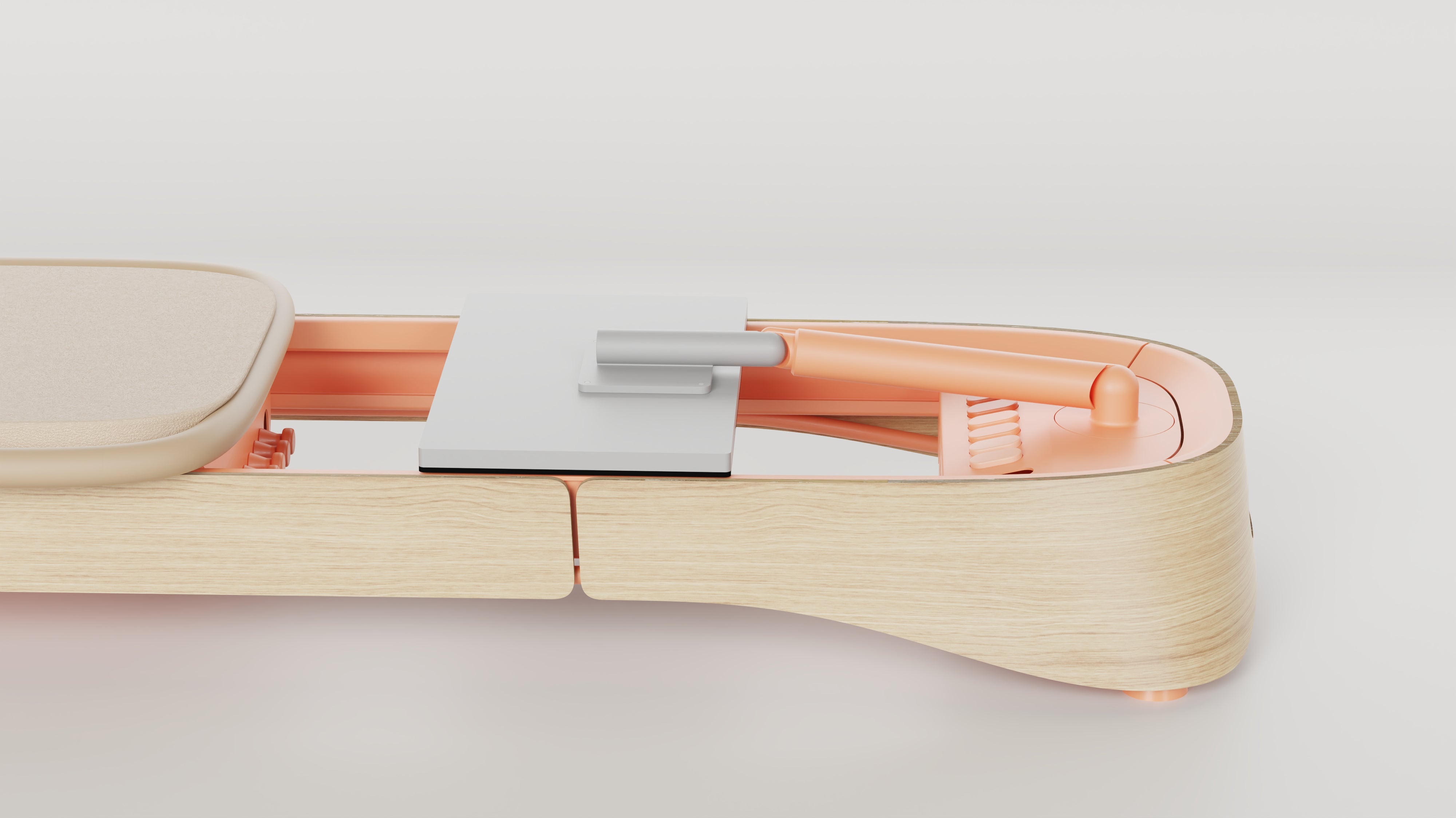
- Heavy-duty steel or hardwood frames with sleek finishes.
- Magnetic or air-resistance systems offering infinite gradations.
- Integrated touchscreen displays that stream classes, track metrics, and provide real-time feedback.
- Full adjustability – multiple footbar angles, removable rollers, and interchangeable accessories.
- Extended warranties (5-10 years) and on-site service options.
Top Tier Examples
- Model F – “Signature Series”: $4,899 – Includes a 15-inch HD screen, Wi-Fi connectivity, and a custom wooden carriage.
- Model G – “Elite Pro”: $6,200 – Features a silent magnetic resistance system, dual carriage rails, and a premium leather finish.
These units are ideal for professionals who need a reformer machine pilates that can handle intensive daily use and offer a polished client experience.
How to Match Your Budget to Your Needs
Determining the right price point involves more than just looking at the sticker price. Consider the following decision matrix:
Usage Frequency
- Occasional (1-2 times/week): Budget or mid-range model.
- Regular (3-5 times/week): Mid-range with robust construction.
- Daily/Professional: Premium reformer.
Space Constraints
- Compact units (< 6 ft??) are common in the budget segment.
- Mid-range and premium models often require larger footprints but may include fold-away features.
Technology Preference
- If you value on-screen instruction, look for a pilates reformer machine with screen or a reformer pilates with screen.
- Otherwise, a traditional spring or magnetic system will suffice.
Frequently Asked Questions
How much is a pilates machine?
Prices range from under $900 for entry-level units to over $6,000 for studio-grade models. The exact figure depends on frame material, resistance type, and any digital integrations.
What is the best at home pilates reformer?
For most home users, a mid-range reformer that offers magnetic resistance and a modest touchscreen provides the best balance of performance and value.
Can a wooden pilates reformer be affordable?
Wooden frames are typically a premium feature, but some mid-range models incorporate wooden accents without dramatically increasing the price.
Bottom Line: Choose Based on Value, Not Just Price
Whether you are looking to buy pilates reformer for a personal studio or simply testing the waters with a home pilates machine, the key is to align the reformer’s specifications with your practice goals, space, and budget. A well-chosen reformer, whether budget or premium, will provide reliable, low-impact strength training for years to come.